Uneasy Consumers Force Food and Beverage Companies to Rethink Strategies

Doris Evelyn, a Senior business and policy analyst covering U.S. industries, Markets, companies, money, and the global economy.
Across the food and beverage industry, the tell-tale signs of an uneasy economy among Americans are beginning to show. Whether it is snack companies or restaurants, those businesses that rely on the average consumer to buy their wares are seeing sales slow and outlooks dampened. The common denominator? The economy is being felt, with Americans reining in spending due to increased costs, job security concerns, and the perception that the economy is no longer the rock-solid institution it used to be.
Big Names Signal Trouble
Mondelez International, the company behind the iconic Oreo cookies, Ritz crackers, and other snack foods, recently reported a fall in sales in the North American market. The reason cited by the company's executives was the rise of "economic anxiety and low consumer sentiment."
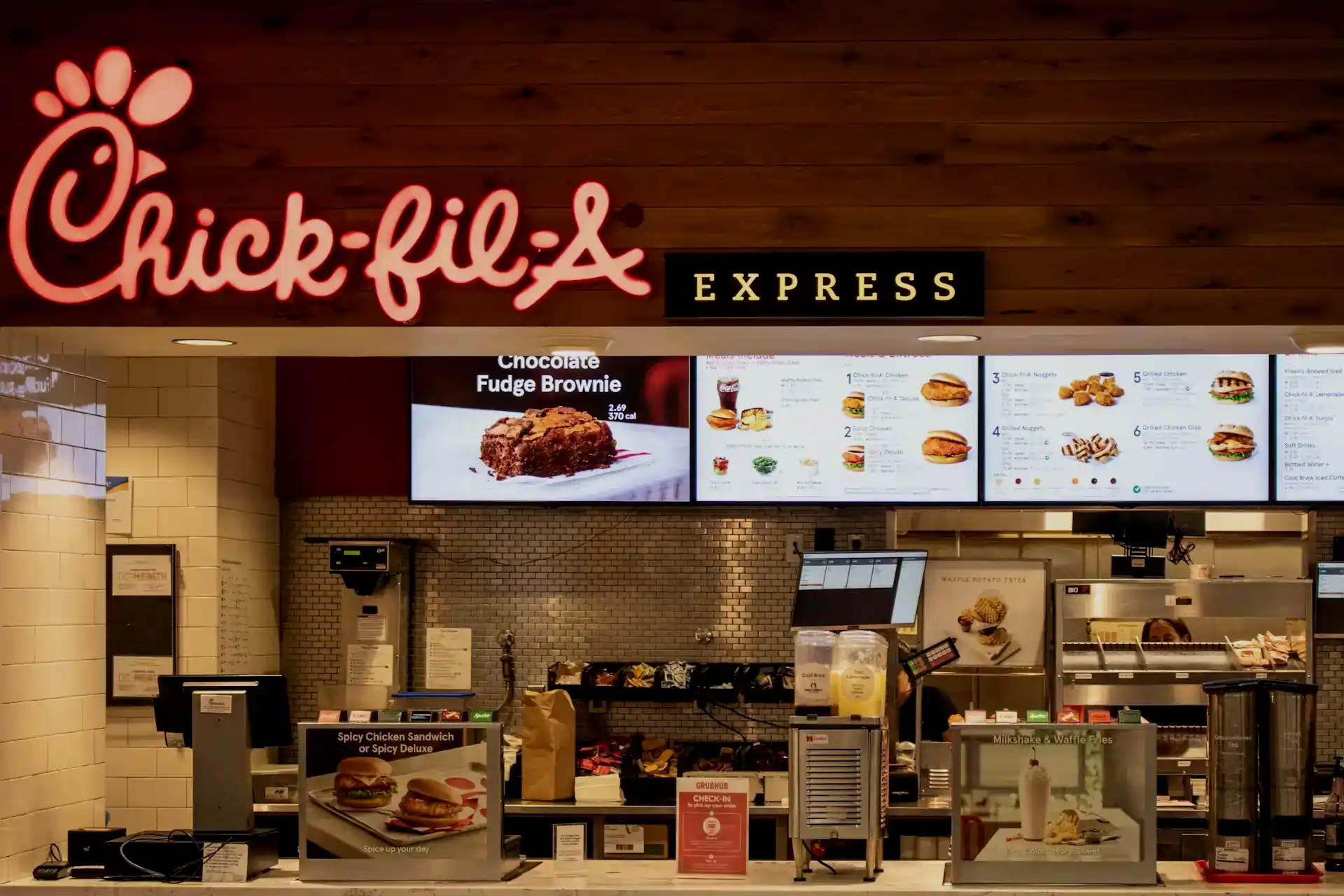
Similarly, Chipotle’s CEO, Scott Boatwright, revealed that customer traffic has been shrinking for four consecutive quarters. “People are pulling back on overall restaurant spending,” he explained, noting that many families are opting to cook more at home instead of dining out.
Even PepsiCo, one of the world’s largest snack and beverage companies, is adjusting its strategy amid tighter household budgets. With the Super Bowl—an important sales boost for chips and snacks—approaching, Pepsi announced plans to cut prices on some products by up to 15 percent. CEO Ramon Laguarta highlighted that lower- and middle-income Americans are especially “stretched,” struggling to keep pace with rising costs.
A Gloomy Economic Outlook
These corporate warnings come at a time when consumer confidence in the U.S. has plummeted. According to the Conference Board, a respected economic research group, consumer sentiment recently hit its lowest point in more than ten years. This decline underscores widespread worries about inflation, job security, and the affordability of everyday goods.
Laguarta said that price concerns are now the “biggest friction” in reaching ordinary shoppers. PepsiCo also reported a dip in snack sales in the latter part of last year, reinforcing the idea that even well-known brands are feeling the strain.
Rachel Ferdinando, who oversees PepsiCo’s U.S. snack division, echoed the message, stating, “We’ve spent the past year listening closely to consumers, and they’ve told us they’re feeling the strain.” Similarly, Mondelez CEO Dirk Van de Put noted that many North American consumers are feeling uncertain about the future and are tired of persistent price hikes. While he mentioned the possibility of lowering some prices this year—thanks to falling cocoa costs—he warned that reductions would likely be limited.
Companies Tread Carefully on Pricing
At Chipotle, CFO Adam Rymer said the chain plans to be cautious about raising prices further in 2026. With inflation still high and wage growth slowing, many customers are actively seeking ways to save money. “I think consumers are ultimately just concerned,” Rymer said, pointing to worries about job stability and rising costs as key factors influencing their spending habits.
Although many companies face challenges, some companies report that they still enjoy a strong demand. Starbucks, for example, reported that its same-store sales grew, driven by its efforts to improve service and refresh its brand. Another example is Procter & Gamble, whose sales are expected to improve later this year, despite its recent sales results, which weakened.
Strategic Responses and Wall Street Reactions
PepsiCo is responding to this challenge in two ways: price reduction and cost reduction. For example, it is going to simplify some of its products, cut costs, and focus its price reduction strategy on its key brands, including Lay’s, Doritos, Ruffles, and Tostitos. According to its CEO, Laguarta, this strategy is a surgical approach, targeting specific brands or channels.
Investors responded quickly: PepsiCo shares rose nearly 5 percent after announcing its new strategy. Meanwhile, shares of Mondelez and Chipotle dipped in after-hours trading as investors digested warnings about cautious consumer behavior.
For now, the message from corporate America is clear: even if economic indicators appear stable on paper, many American households are feeling the squeeze—and they’re adjusting how they spend accordingly. As companies navigate this cautious landscape, their strategies and future outlooks will likely continue to reflect a more hesitant consumer base.

Doris Evelyn, a Senior business and policy analyst covering U.S. industries, Markets, companies, money, and the global economy.