FAA Inspector Sues United Airlines Over Retaliation
February 11, 2026
February 11, 2026
February 3, 2026

Sylvia Loretta, a travel writer covering destinations, cultural experiences, sustainable tourism, and practical guides for modern explorers.
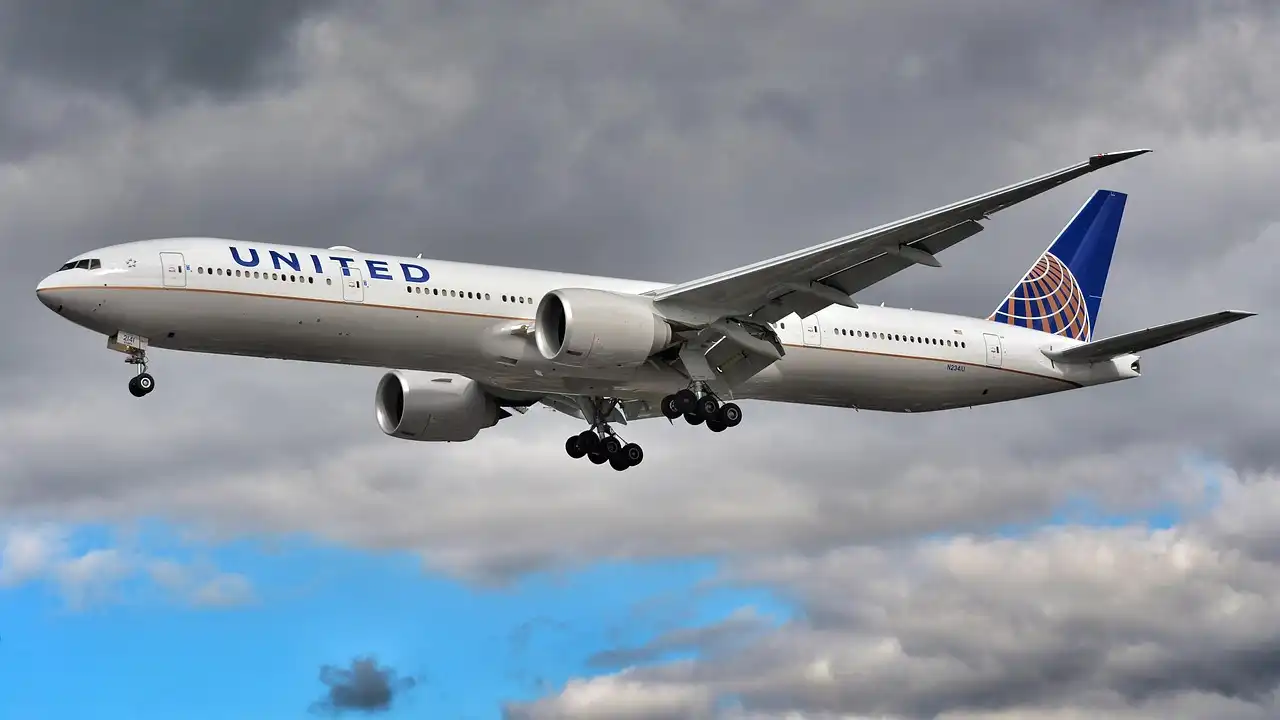
United Airlines is in the midst of a legal battle following a lawsuit filed by a Federal Aviation Administration (FAA) inspector who claimed the airline had retaliated against him after he raised safety concerns on a flight. This lawsuit has brought attention to the manner in which airlines are dealing with complaints of potential safety violations by their staff.
The FAA inspector, Paul Asmus, is claiming damages of $12.75 million from United Airlines, stating that the airline had defamed him, interfered in his job, and retaliated against him for doing his job as a safety professional. Instead of dealing seriously with his safety concerns, the airline decided to target him personally.
The dispute dates back to May 2022, when Asmus was traveling off duty on a United Airlines flight leaving Chicago’s O’Hare International Airport. While seated on the plane, he noticed that his seat had a torn pocket on the backrest. Under FAA rules, that pocket is meant to hold important safety materials, including the passenger safety instruction card. If the pocket is damaged, the card cannot be properly stored, which could create a safety issue in an emergency.
Asmus also observed another problem: a passenger standing in the aisle while the plane was being pushed back from the gate. FAA regulations require all passengers to remain seated with seatbelts fastened during that phase of the flight.
Believing these issues posed potential safety risks, Asmus took photos to document what he had seen. According to his lawsuit, the flight crew accused him of photographing staff members and causing a disturbance. The captain reportedly demanded to see the images on his phone, and the aircraft ultimately returned to the gate. Asmus was then removed from the flight.
Claims of Retaliation
What happened next forms the basis of his legal complaint.
Asmus says that United Airlines retaliated against him by banning him from flying with the airline for life. The company also demanded that he pay more than $3,000 to cover the costs of returning the plane to the gate.
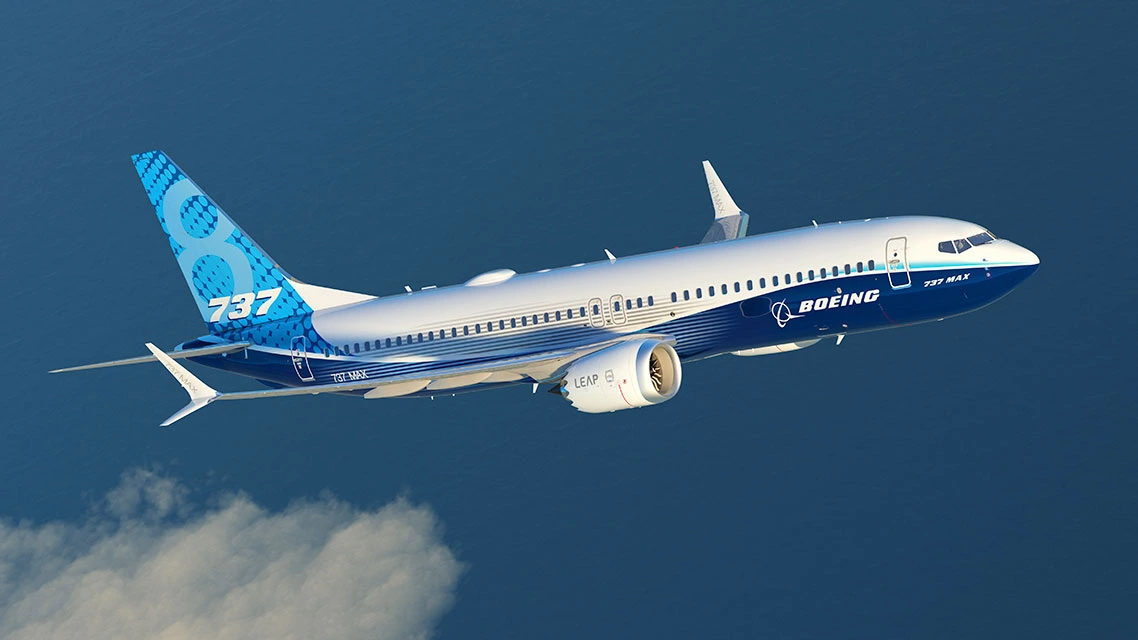
In addition, United filed a formal complaint with the FAA, which led to civil enforcement proceedings against Asmus. During that time, he was reassigned and removed from duties that involved overseeing United Airlines operations—including investigations related to the Boeing 737 MAX aircraft.
Asmus argues that these actions were part of a deliberate attempt to punish him and push him out of his regulatory role with respect to United.
Legal Developments
Last year, the case took an important turn. In June, a Department of Transportation administrative law judge dismissed the enforcement action against Asmus, ruling that the testimony supporting United’s claims was unreliable. The judge also warned that punishing passengers or inspectors for reporting safety concerns could discourage others from speaking up in the future.
The FAA chose not to appeal the ruling, making the decision final.
Nevertheless, Asmus contends that despite this outcome, United Airlines has failed to lift its lifetime ban against him. After his repeated attempts to settle this case, he has now decided to proceed with a civil lawsuit against the airline, seeking compensation for his lost income, emotional distress, and harm to his professional reputation.
Asmus is seeking $10 million in punitive damages, $2.5 million in general damages, and $250,000 in economic losses. At the same time, he has also asked for a jury trial. Apart from the personal confrontation between Asmus and United Airlines, this case also raises important questions about aviation safety culture.
Broader Implications for Aviation Safety
Experts claim that the entire air transportation system is predicated on a culture that encourages individuals to speak out about problems without fear of reprisal. If inspectors, employees, or passengers believe that reporting problems will result in retaliation, then critical safety problems might not be reported.
The earlier Department of Transportation ruling specifically warned that discouraging safety reporting could undermine public trust and put passengers at risk. Asmus’ case is now being closely watched by aviation regulators and industry insiders because it could set an important precedent.
United Airlines has not publicly commented in detail on the lawsuit, and all allegations remain unproven in court. The airline is expected to argue that its actions were justified and that Asmus’ behavior on the flight was disruptive.
However, the result of this case may have significant implications for the future treatment of safety concerns by airlines. A favorable decision for Asmus may result in greater protection for whistleblowers and greater clarity regarding the treatment of safety concerns expressed by inspectors and passengers. For now, the lawsuit is still pending, but it has already brought about a significant discussion regarding accountability, transparency, and the need to protect those who speak out in the name of aviation safety.

Sylvia Loretta, a travel writer covering destinations, cultural experiences, sustainable tourism, and practical guides for modern explorers.