Trump Immigration Tensions Shadow Winter Olympics
February 12, 2026

February 11, 2026
February 8, 2026
February 6, 2026
Lester Franklin, a sports journalist covering global football, major leagues, player transfers, match analysis, and the business of sports.
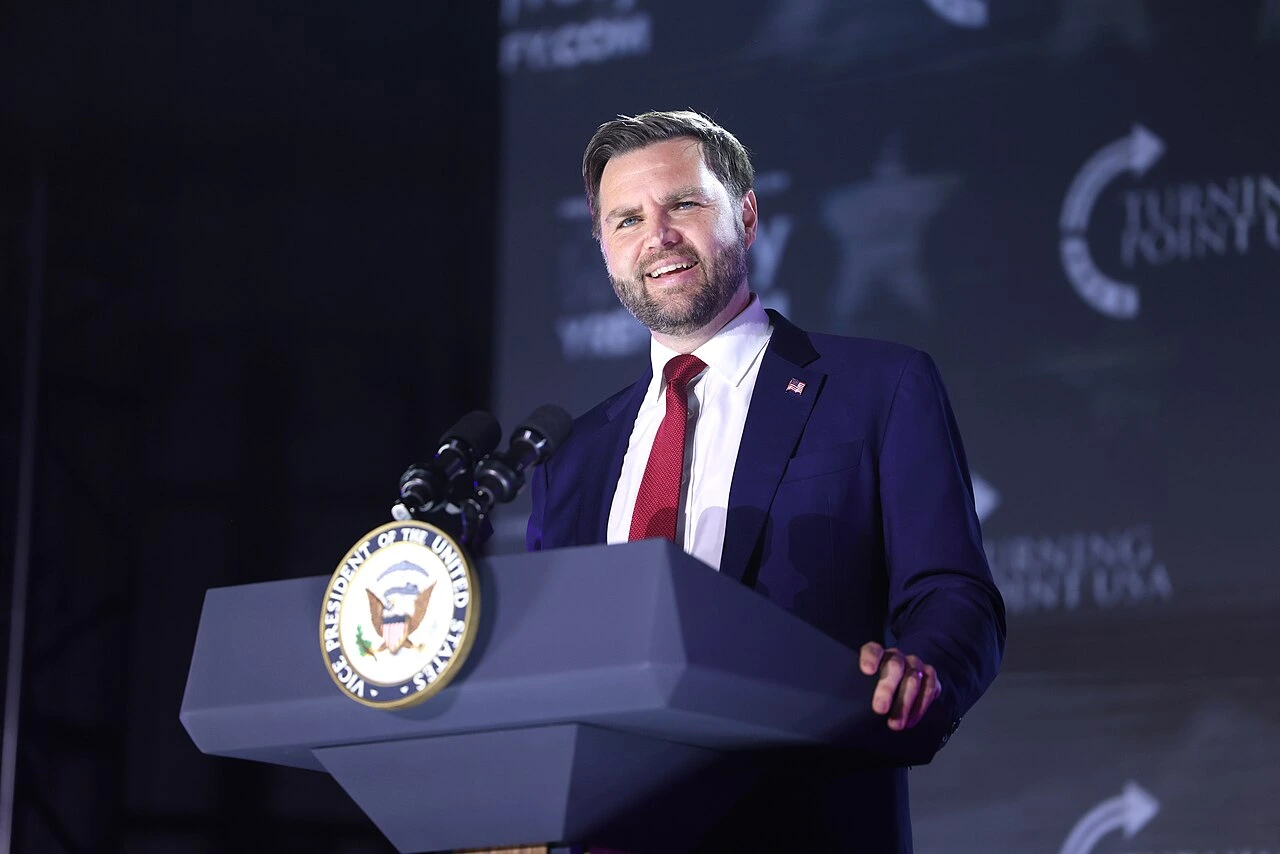
LIVIGNO, Italy — As the Winter Olympics kicked off with all the pageantry and excitement that define the Games, U.S. Vice President JD Vance praised the event as “one of the few things that unites the entire country.” But that sense of unity proved fragile.
Within days of the opening ceremonies in Milan, America’s deeply divisive political climate followed its athletes halfway across the world. Instead of focusing solely on medals and competition, many U.S. Olympians found themselves answering uncomfortable questions about President Donald Trump’s hardline immigration policies — and what it means to represent a country so sharply divided.
For some athletes, the tension has been impossible to ignore. “There’s obviously a lot going on that I’m not the biggest fan of, and I think a lot of people aren’t,” American freestyle skier Hunter Hess admitted during a press conference. He spoke candidly about the “mixed emotions” he feels wearing the U.S. flag. “If it aligns with my moral values, I feel like I’m representing it. Just because I’m wearing the flag doesn’t mean I represent everything that’s going on in the U.S.”
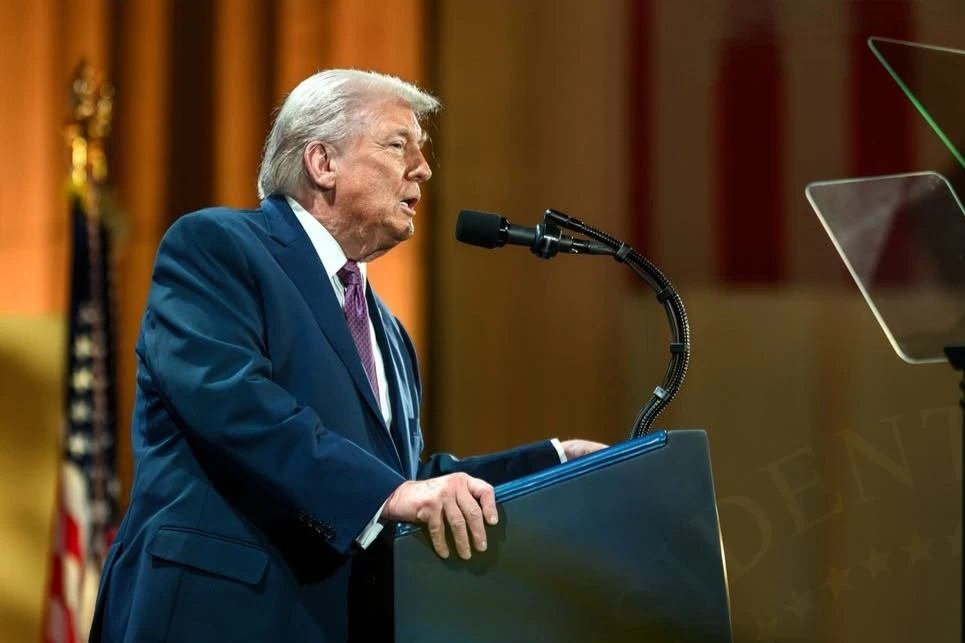
His remarks quickly went viral — and just as quickly drew an angry response from the president himself. Trump took to social media to blast the 25-year-old skier, calling him a “real loser” who “shouldn’t have tried out for the team.” “Very hard to root for someone like this,” Trump added.
The public rebuke of an American athlete by a sitting president marked a stark break from the typically apolitical tone the White House adopts during international sporting events. Rather than celebrating Hess for making it to the world’s biggest stage, conservative commentators piled on. Podcaster Megyn Kelly criticized him, and a Republican candidate for governor in Florida suggested he should be removed from the team altogether.
The backlash underscored just how intensely America’s political battles have spilled into spaces that were once considered neutral ground. Yet not everyone agreed with the criticism. Several prominent athletes quickly came to Hess’ defense.
“In moments like these, it’s really important for us to unite and stand up for one another,” said Chloe Kim, the two-time Olympic snowboarding champion whose parents immigrated from South Korea. Kim has faced racist attacks throughout her career and said she understands how painful it can be when politics and identity collide.
Eileen Gu, the freestyle skiing star who was born in San Francisco but competes for China, also reached out to Hess. Gu, who has endured years of criticism for her own complicated position between two countries, said she could relate to what he was experiencing. “As someone who’s been caught in the crossfire before, I feel sorry for the athletes,” she said.
Politics and the Olympics have always been intertwined
While the Olympic Games are often described as a celebration beyond politics, history shows they have never been fully insulated from global events.
From the Black Power salute of Tommie Smith and John Carlos at the 1968 Mexico City Games to more recent athlete protests over racial injustice and human rights, the Olympic stage has long been a platform for political expression.
What makes the current moment different is how immediate and personal the controversy feels.
The Milan Cortina Games are taking place just weeks after federal immigration agents killed two U.S. citizens in Minneapolis during an enforcement operation — an incident that reignited fierce debate over Trump’s aggressive policies at home and drew international attention.
For many American athletes, that reality weighs heavily. Chris Lillis, another U.S. freestyle skier, said he feels “heartbroken” about what’s happening in the United States. “As a country, we need to focus on respecting everybody’s rights and making sure we’re treating our citizens — and anybody — with love and respect,” he said. “I hope when people watch us compete, they see the America we’re trying to represent.”
Skiing superstar Mikaela Shiffrin echoed that sentiment, acknowledging the difficulty of competing for Olympic glory while so much turmoil unfolds around the world. “There’s a lot of hardship globally — a lot of heartbreak and violence,” Shiffrin said. “It can be tough to reconcile that when you’re also competing for medals. I just want to represent values of inclusivity, diversity, kindness, and hard work.”
Other athletes have been more cautious. American tennis player Taylor Fritz recently admitted he avoids political questions altogether because anything he says could be “taken out of context.” Speedskater Casey Dawson took a similar stance, saying that while athletes are aware of the situation back home, “politics don’t apply to us here.” “We’re here to skate,” Dawson said simply. “We’re here to perform.”
Looking ahead
The political spotlight on American athletes is unlikely to fade anytime soon. The U.S. will co-host the World Cup later this year and welcome the world again in 2028 when Los Angeles hosts the Summer Olympics. As those events approach, the intersection of sport and politics will only grow more complicated.
Still, some believe athletics can help bridge even the deepest divides. “There’s this really magical thing that sport can do,” said Ashleigh Huffman, a former chief of sports diplomacy at the U.S. State Department. “It can lower the temperature of the room.” Whether that magic can overcome today’s political storms remains to be seen.

Lester Franklin, a sports journalist covering global football, major leagues, player transfers, match analysis, and the business of sports.
February 12, 2026
February 11, 2026
February 8, 2026
February 6, 2026