Trump Has No ICE Plans at Polling Sites, White House Says
February 27, 2026
February 11, 2026
February 6, 2026
February 5, 2026
Gilbert Vernon, a political correspondent and author, covering the U.S. Supreme Court, federal agencies, and government policy.
WASHINGTON — President Donald Trump has not outlined any “formal plans” to station U.S. Immigration and Customs Enforcement (ICE) agents at polling sites for November’s midterm elections, the White House said Thursday, even as the possibility of federal presence near voting locations has stirred concerns among Democrats and voting rights advocates.
Rhetoric Raising Concerns
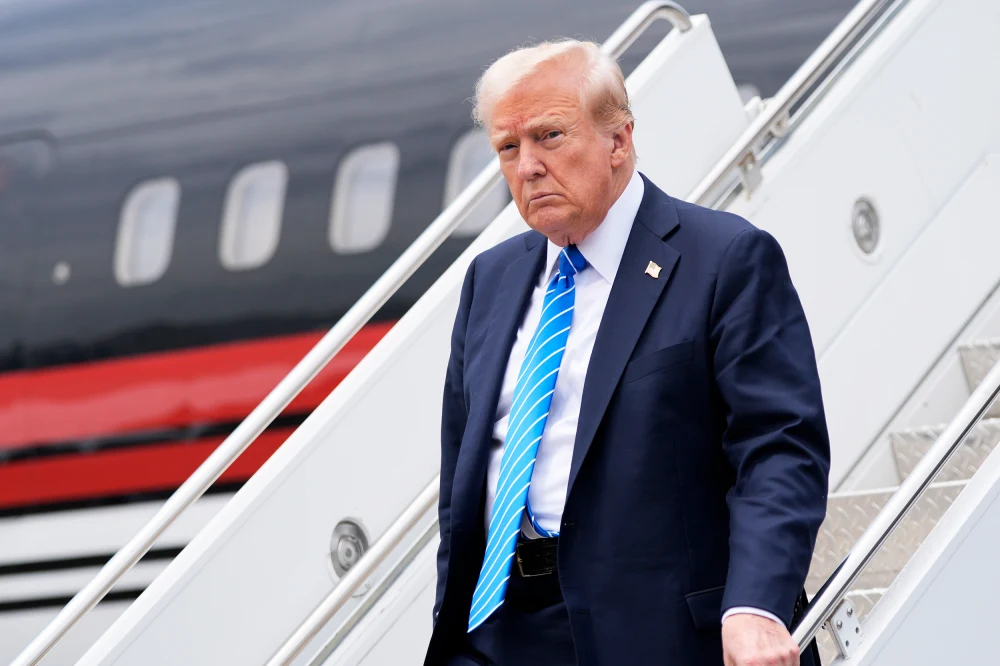
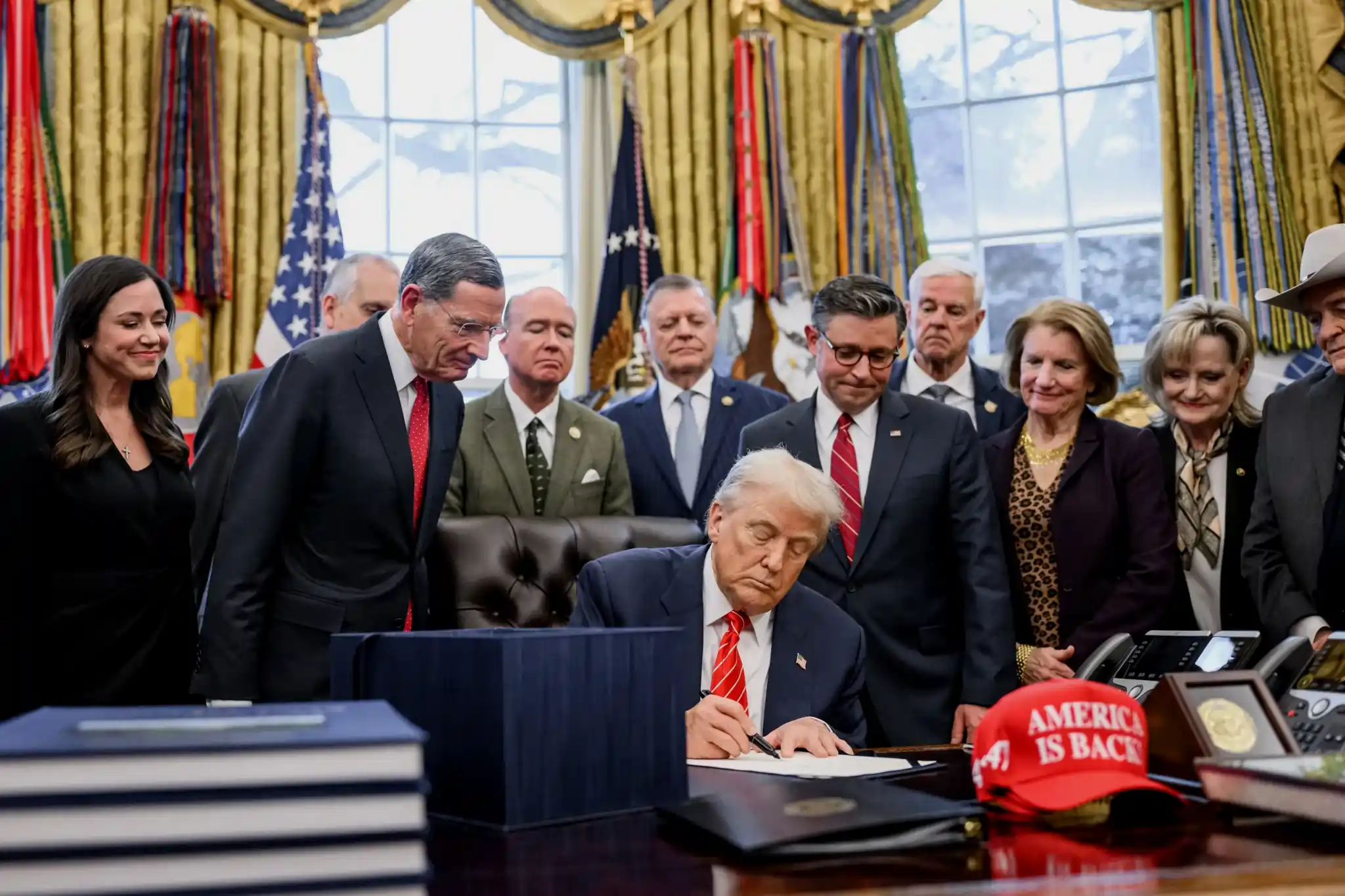
Trump, speaking Monday, called for Republicans to “nationalize” and “take over” voting in at least 15 unspecified locations, reiterating his long-debunked claims that U.S. elections are rife with fraud. The remarks quickly reignited fears that the former president seeks to expand federal influence over state-run elections in ways that could intimidate voters.
Steve Bannon Amplifies Message
Adding fuel to the discussion, Steve Bannon, a former Trump adviser and influential conservative commentator, amplified the message on his War Room podcast Tuesday. Bannon repeated false assertions that undocumented immigrants vote in large numbers, declaring, “You’re damn right we’re gonna have ICE surround the polls come November.”
White House Response
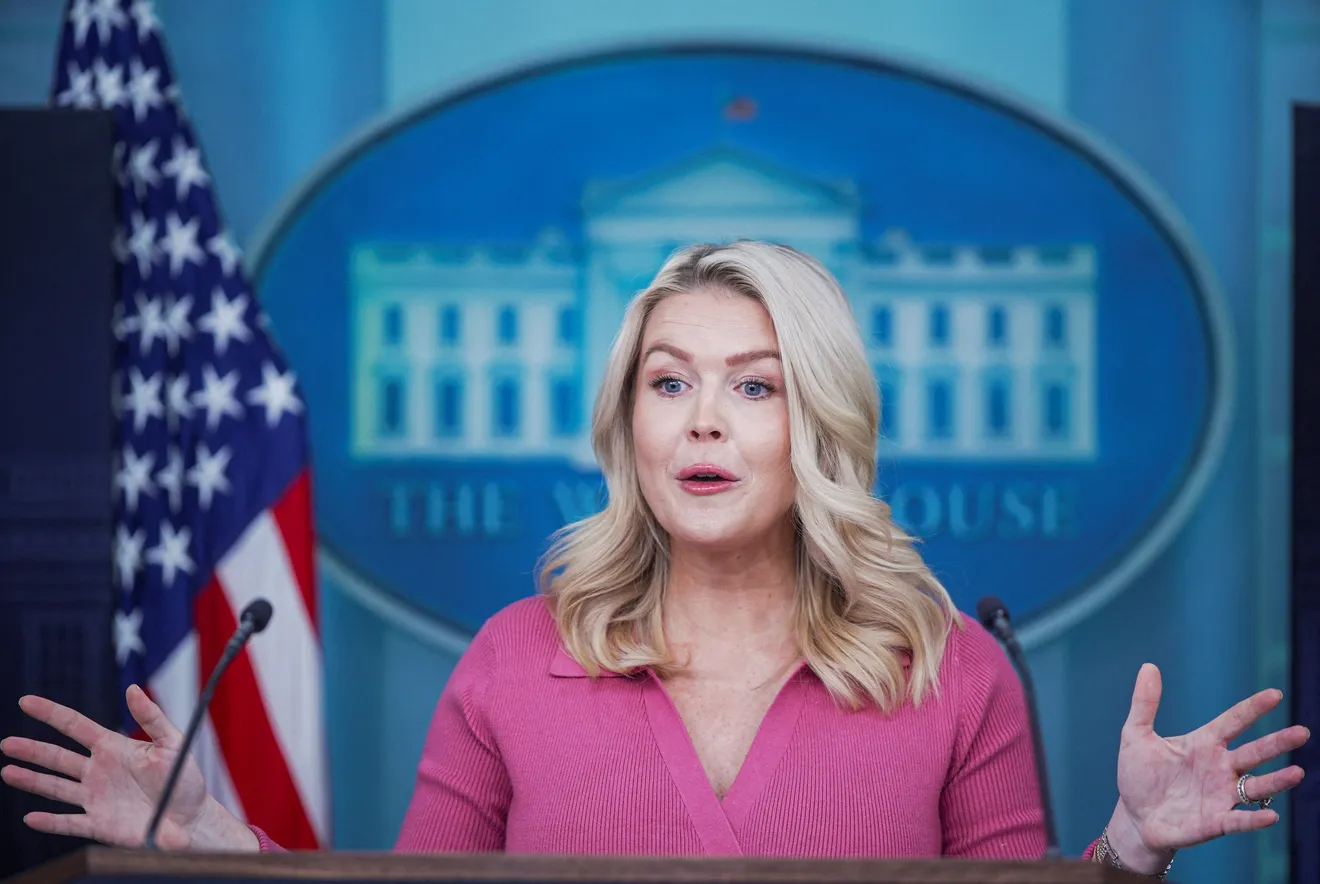
Asked about Bannon’s comments, White House press secretary Karoline Leavitt sought to distance the administration from any official action, saying, “I can’t guarantee that an ICE agent won’t be around a polling location in November … but what I can tell you is I haven’t heard the president discuss any formal plans to put ICE outside of polling locations.”
Legal Constraints
Federal law explicitly prohibits deploying military troops to locations holding general or special elections. Many states also criminalize carrying firearms near polling sites. The presence of immigration enforcement personnel, or even the perception of federal monitoring, can dissuade eligible voters from turning out. Legal residents and U.S. citizens alike may avoid voting out of fear of detention or racial profiling, raising significant concerns among election officials.
Democratic Warnings
Democrats have been vocal in warning that any attempt to bring federal authorities into polling sites could amount to voter intimidation, potentially affecting the outcome of the midterms that will determine control of Congress. “The very idea that ICE could appear outside polling locations is alarming and could suppress participation,” said one Democratic election official, speaking on condition of anonymity.
Republican Pushback
Not all Republicans have embraced Trump’s proposals. Senate Majority Leader John Thune said he is “not in favor of federalizing elections,” while House Speaker Mike Johnson emphasized, “It’s always been the responsibility of the states to administer elections.” This reluctance underscores the limits of Trump’s push for a nationalized approach and reflects ongoing tension within the GOP about how far federal authorities should intervene in state-run voting.
Federal Election Oversight Efforts
Trump's general efforts in assuring federal control over elections have also included the federal government's legal pursuit of Democratic-controlled states to turn over their election data. The Justice Department has filed lawsuits in pursuit of nearly two dozen states in a dispute over their voter rolls, which is believed to be overseen by the federal government's issues with electoral integrity.
2020 Election Investigations
The controversy has been fueled further by the latest investigations by the federal government regarding the results of the 2020 election. For instance, the latest development is the searching of an office in Fulton County, Georgia, regarding the investigations of the records regarding Mr. Trump’s allegations of fraud in the elections, which is another activity by the previous president concerning his election results.
Voter Concerns and Rhetoric
While, for the moment, officials in the White House indicate that there are no official plans to use ICE agents at the polls, the rhetoric coming from both Trump and his supporters has caused a level of unease. The mere suggestion, however, of federal officials at the polls, while possibly not within the law, has the potential to cause confusion, intimidation, and a dismal turnout among minority voters who have historically struggled to get to the polls.
Election Season Outlook
As November approaches, talk about participation at the federal level is expected to continue into the election season. As Democrats worry about intimidation and Republicans worry about federal overreach, one theme is certain – finding that balance between integrity and access.
“The integrity of our elections depends on voters feeling safe to cast their ballots,” said one election expert. “Even the hint of enforcement personnel at polling sites can undermine that trust.”
Conclusion
For now, Trump’s call to “nationalize” elections remains largely rhetorical—but the implications are far-reaching, shaping how campaigns, states, and the public view the security and fairness of the upcoming midterms.

Gilbert Vernon, a political correspondent and author, covering the U.S. Supreme Court, federal agencies, and government policy.
February 27, 2026
February 11, 2026
February 6, 2026
February 5, 2026