ODNI Finds Security Flaws in Puerto Rico Voting Systems
February 11, 2026
February 10, 2026
February 9, 2026

February 6, 2026


Virgil Harold, an investigative journalist reporting on corruption, public policy, corporate accountability, and high-impact national stories.
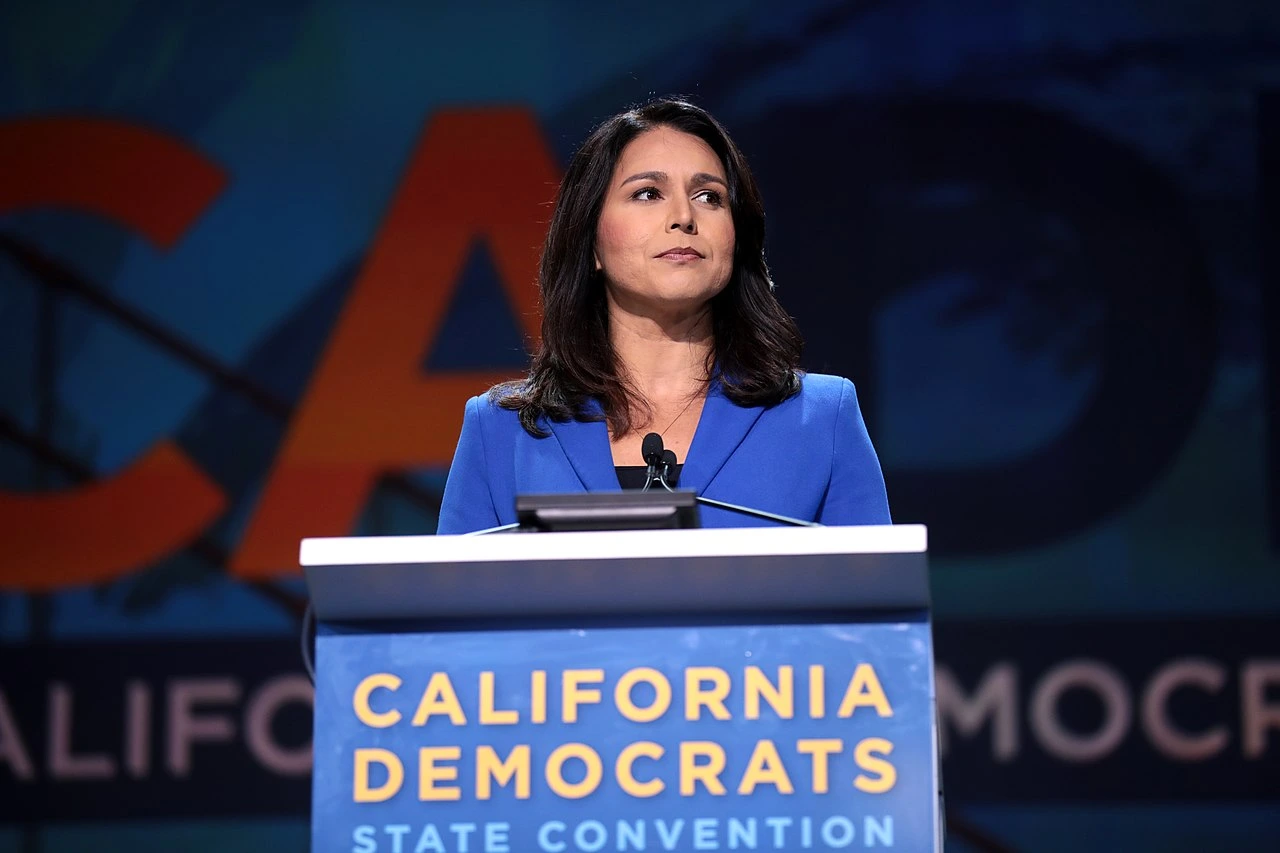
The office of U.S. Director of National Intelligence Tulsi Gabbard quietly carried out an investigation last spring into electronic voting machines used in Puerto Rico, according to Gabbard’s office and several people familiar with the matter.
The previously unreported probe was conducted with assistance from the FBI and was initially sparked by allegations that Venezuela may have interfered with elections in the U.S. territory. However, sources say the investigation ultimately uncovered no clear evidence that Venezuela or any foreign government had hacked Puerto Rico’s voting systems.
Gabbard’s office confirmed to Reuters that the investigation took place in May, but rejected claims that it was focused on Venezuela. Instead, officials said the goal was to examine possible cybersecurity weaknesses in Puerto Rico’s election infrastructure.
As part of the effort, investigators took possession of an undisclosed number of voting machines and copied data from them for forensic analysis, according to a spokesperson for the Office of the Director of National Intelligence (ODNI). The spokesperson described the removal of equipment as “standard practice” when examining potential security vulnerabilities.
After reviewing the systems, ODNI officials concluded that Puerto Rico’s electronic voting setup contained serious flaws.
“ODNI found extremely concerning cyber security and operational deployment practices that pose a significant risk to U.S. elections,” the office said in a statement.
The agency pointed to outdated cellular technology used in some machines, as well as software weaknesses that could potentially allow hackers to gain deep access to election systems. Because similar technology is used in other parts of the United States, the findings have raised broader concerns about election security nationwide.
Concerns Over Intelligence Role
Still, the operation has drawn scrutiny, particularly because it involved the nation’s intelligence community rather than traditional law enforcement agencies.
Several current and former U.S. officials said that domestic election security issues are usually handled by the FBI and the Department of Homeland Security, not by intelligence agencies like ODNI. They questioned whether Gabbard’s office may have overstepped its typical role.
Those concerns intensified last week when Gabbard appeared at an FBI raid on an election facility in Fulton County, Georgia—another action that alarmed national security experts who believe intelligence officials should stay out of domestic election investigations.
Allegations of Foreign Interference Unfounded
According to people familiar with the Puerto Rico operation, the investigation began after allegations surfaced among Trump allies that Venezuela’s government, led by President Nicolás Maduro, might have interfered with U.S. voting systems. Similar claims have circulated for years within pro-Trump circles, despite a lack of credible evidence.
Three sources told Reuters that the FBI team involved in the Puerto Rico probe was exploring the theory that Maduro’s government had somehow hacked voting machines. But after months of investigation, no proof of Venezuelan involvement emerged.
Gabbard’s office strongly denied that Venezuela was the focus, insisting that the effort was purely about assessing vulnerabilities.
“Given ODNI’s broad statutory authority to coordinate, integrate, and analyze intelligence related to election security, ODNI conducted an examination of electronic voting systems used in Puerto Rico’s elections,” the spokesperson said.
The operation reportedly involved coordination between ODNI officials, FBI agents, Homeland Security investigators, and outside contractors. Gabbard herself did not travel to Puerto Rico, though her office played a leading role in overseeing the effort.
Local Perspective and Political Context
Puerto Rico occupies a unique position in the U.S. political system. Its residents are American citizens, but they cannot vote in presidential elections and have only non-voting representation in Congress. The island has experienced real problems with election administration in recent years, including technical failures and organizational mistakes.
But local leaders say those issues are the result of mismanagement, not foreign interference.
“We have had widely reported problems in election administration,” said Pablo José Hernández Rivera, Puerto Rico’s newly elected delegate to the U.S. House of Representatives. “But they are all attributable to incompetence and corruption, not foreign interference.”
The broader context of the investigation reflects an ongoing obsession within the Trump administration over claims of voter fraud and election manipulation—claims that date back to Trump’s 2020 election loss and have never been substantiated.
Although the Puerto Rico probe did not uncover evidence of hacking, it has raised important questions about the security of voting technology and the proper role of intelligence agencies in domestic matters.
For now, officials say the findings are being reviewed to determine whether changes are needed to better protect election systems across the United States. But the controversy surrounding the investigation highlights just how politically charged the issue of election security has become.

Virgil Harold, an investigative journalist reporting on corruption, public policy, corporate accountability, and high-impact national stories.
February 11, 2026
February 10, 2026
February 9, 2026
February 6, 2026