Study Warns of Major Risks From Offshore Drilling Plan
February 11, 2026
February 11, 2026
February 5, 2026

February 4, 2026

Norman Leroy, a climate and environmental journalist covering climate policy, renewable energy, environmental science, and the global impact of climate change.
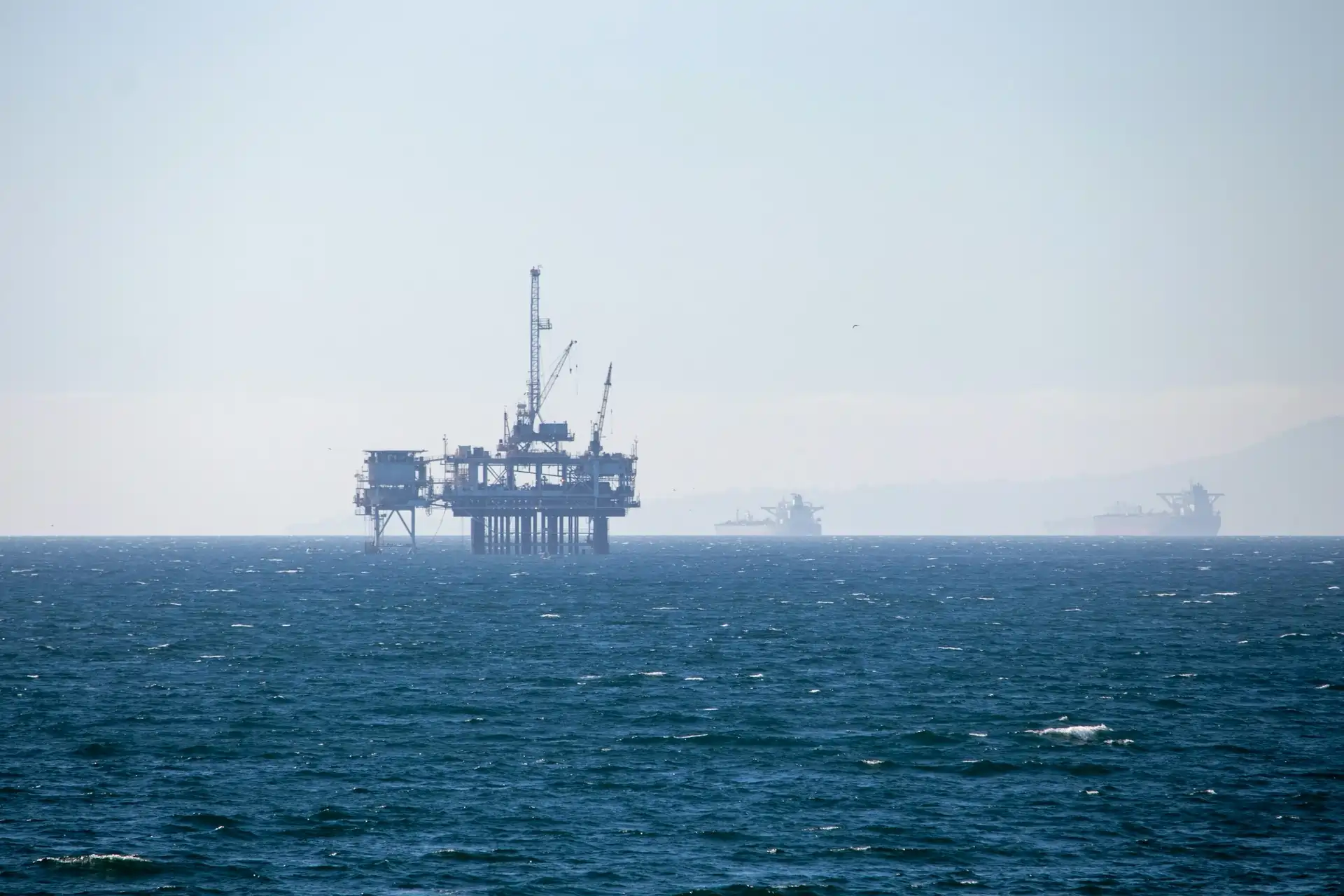
A recent analysis carried out by the Center for Biological Diversity has raised a red flag over the potentially catastrophic environmental implications of a proposed expansion of drilling in the waters of the country, as outlined in a recent proposal made by the Trump administration. The proposal, which was made public last November, seeks to open up huge chunks of the country’s waters to oil and gas drilling, a move that may result in over 4,000 oil spills, releasing over 12 million gallons of oil into some of the country’s most sensitive ecological zones.
The proposal envisions up to 34 offshore lease sales over the next five years, covering as much as 1.27 billion acres across the Gulf of Mexico, off California, and along Alaska’s coast. This expansion would significantly surpass the leasing activities of previous administrations and would be added on top of the 36 lease sales mandated by Congress under the so-called “One Big Beautiful Bill Act.” If implemented, the plan could jeopardize critical habitats and endangered species, including the iconic Rice’s whales, which already number fewer than 50 individuals in the Gulf of Mexico, the only place on Earth where they are found.
The Vulnerable Rice’s Whale and the Legacy of Deepwater Horizon
The Rice’s whales in the Gulf have been experiencing the long-term effects of the Deepwater Horizon oil spill in 2010, which is the largest oil spill in the history of the U.S., when 210 million gallons of oil were spilled into the Gulf waters. This oil spill resulted in the deaths of thousands of animals, including birds, sea turtles, and dolphins, while the long-term health consequences were experienced by the Rice’s whales. The long-term effects on the Rice’s whales include starvation, low reproduction rates, and unusual health conditions, which are all a result of the oil spill into their waters. The possibility of more oil spills resulting from increased offshore drilling poses a threat to the extinction of this critically endangered species.
The Center’s analysis draws on decades of federal records revealing historical spill data from 1974 to 2015. Using this data, researchers estimate that the proposed expansion could result in over 4,200 spills, though this figure is likely conservative. It does not account for spills caused by oil tankers or rare but disastrous incidents like Deepwater Horizon itself. The majority of these spills—more than half—would likely occur in the Gulf of Mexico, which is already heavily industrialized with oil rigs, pipelines, and shipping traffic, creating what environmental advocates call “sacrifice zones” where marine ecosystems are under constant threat.
A Perilous Environment for Marine Life
Christian Wagley, an organizer with Healthy Gulf, describes the Gulf as being overwhelmed by oil infrastructure, with a chaotic environment that is perilous for whales and other marine life. The risk is especially high for the Gulf’s whales, which spend much of their time near the surface and in heavily trafficked shipping lanes, making them vulnerable to vessel strikes. The eastern Gulf, which has so far seen less drilling activity, offers some refuge, but increasing proposed locations threaten to eliminate this safe haven.
One major concern is the distance of proposed drilling sites from the coast. The Trump plan suggests that oil rigs could be located up to 100 miles offshore—intended as a buffer zone—but critics say this distance is insufficient. New ocean current simulations from oceanographers at Current Lab demonstrate how oil spills in these remote zones could be carried by currents and winds far onto beaches in Cuba and Florida, especially along Southeast Florida’s coast. Kevin Rosa, founder of Current Lab, emphasizes that spills could easily reach densely populated and ecologically sensitive shorelines if an accident occurs.
Deep-Sea and Arctic Risks
The risks associated with spills are further exacerbated by the harsh conditions found in areas where drilling is proposed, such as the Arctic and deep-sea areas off the coast of Alaska. These areas are notoriously difficult to reach in the event of an oil spill. Joseph Gordon of Oceana points out that oil spills in deep waters, where the spill is far from the mainland, are more difficult to detect and clean up. The Arctic, in particular, poses special challenges.
Response methods such as booms, skimmers, and dispersants are often ineffective in rough seas, fog, or darkness. In the Arctic, where the weather is dark for half the year, the dispersants cannot be used, and the oil can cover huge areas before any attempt at containment is made. Much of the oil would likely end up on the shores of the wilderness or in the open ocean, damaging the ecosystems in the process.
Public Opposition and Legal Challenges
Opposition to the project remains high. During the 60-day comment period, which ended in January, about 300,000 people made objections against the project, showing the level of concern over the risks and the cost of the oil spills. Environmental groups are preparing legal challenges, asserting that the plan violates protections for marine life and coastal communities. Kristen Monsell of the Center for Biological Diversity warns that if the plan proceeds, legal action will likely follow, as opponents seek to block what they see as an environmentally reckless policy.
Looking Ahead
To briefly summarize, the proposed expansion of drilling in U.S. oceans poses a major threat to marine ecosystems and endangered species, with the possibility of thousands of oil spills that would be hard to contain and would have devastating effects on the environment. Critics argue that the risks outweigh the benefits and that the expansion of fossil fuel production will only contribute to global warming and further environmental damage. The debate on this proposal represents the longstanding tension between development and conservation in the United States.

Norman Leroy, a climate and environmental journalist covering climate policy, renewable energy, environmental science, and the global impact of climate change.