Georgia Ponzi Scheme: Investors Struggle to Recover Millions
February 13, 2026

February 12, 2026
February 10, 2026

February 9, 2026


Doris Evelyn, a Senior business and policy analyst covering U.S. industries, Markets, companies, money, and the global economy.
Investors Face Growing Frustration
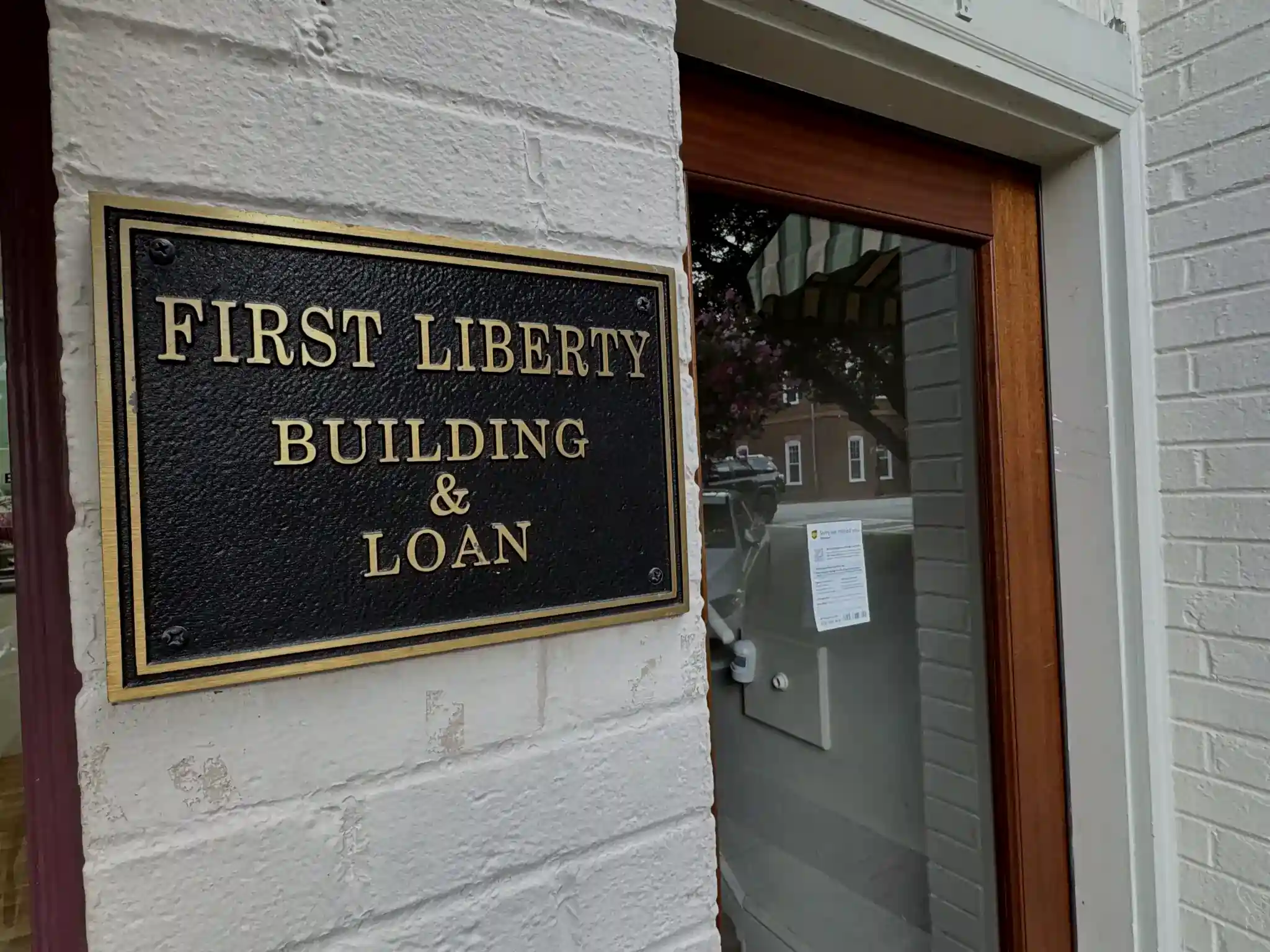
For hundreds of investors who trusted their savings to what they believed was a reliable lending company, the wait for answers — and their money — is becoming unbearable. Seven months after the collapse of First Liberty Building & Loan, an Atlanta-area firm now accused of running a $140 million Ponzi scheme, many victims say they are losing hope of ever being made whole.
“We feel like we’re never going to see it, as old as we are,” said Thomas Todd, a 77-year-old retired business owner, during a meeting Monday with Georgia Secretary of State Brad Raffensperger. Todd says he personally lost $750,000 — money he had planned to use to support Christian missions.
Allegations of Fraud and Mismanagement
Federal investigators allege that First Liberty defrauded more than 300 investors by promising unusually high returns while secretly using new investor funds to pay earlier clients. The company collapsed last year, leaving behind a tangled web of financial records and shattered lives.
The scandal has rippled through conservative political circles in Georgia and Alabama. First Liberty’s founder, Brant Frost IV, was a longtime Republican activist with deep connections in both states. His firm marketed itself as a lender providing high-interest, short-term loans to businesses, offering investors returns as high as 16 percent annually.
According to a lawsuit filed by the U.S. Securities and Exchange Commission, those promises were largely an illusion. The SEC claims Frost stole at least $17 million for himself, family members, and affiliated companies, while making risky loans that were never repaid.
High-Profile Investors Involved
Among those caught up in the fallout were several prominent Republicans, including a company run by former Georgia GOP Chairman David Shafer, Alabama State Auditor Andrew Sorrell, and a political action committee he controlled. Many everyday Republican activists also invested after hearing glowing endorsements on conservative talk shows hosted by Erick Erickson, Hugh Hewitt, and Charlie Kirk.
Recovery Efforts Begin Slowly
Now, the slow process of trying to recover what remains has begun — but progress has been painfully limited. A federal court has appointed Atlanta attorney Gregory Hays as a receiver to track down assets and return funds to victims. In a report filed Jan. 30, Hays said he is still sorting through roughly 48,000 financial transactions, trying to determine where the money went.
As of the end of December, he reported just $3.59 million in assets on hand — a tiny fraction of the $140 million lost. Since then, Hays has managed to sell off a handful of luxury items turned over by the Frost family, including five high-end vehicles that brought in nearly $139,000. He also sold Frost’s Patek Philippe watch for $10,000 and is in the process of selling First Liberty’s office building in Newnan for $581,000, though a $160,000 lien must be resolved first.
Hays has also clawed back more than $300,000 in political donations that Frost and his family made using investor funds. Those contributions — totaling over $1 million — often went to far-right Republican candidates and causes. But the recovery effort itself is expensive. Hays reported spending more than $412,000 so far, costs that will ultimately come out of whatever money is recovered for investors. He warned that the process will likely be “expensive and protracted.”
Victims Speak Out
For victims like Todd, that is cold comfort. He told Raffensperger that he had been relying on income from his investment to support charitable work and nearly put in even more money just before the scheme unraveled. “They were stealing it,” Todd said. “They knew they were stealing it. And they were working at stealing it, because they knew they were in trouble.”
Political Fallout in Georgia
The growing outrage has also spilled into Georgia politics. Raffensperger, who oversees the state’s securities division, is now facing criticism from fellow Republicans who say his office failed to detect warning signs before the company collapsed. Some state lawmakers are pushing to strip his office of securities regulation entirely and transfer those duties to the Georgia Department of Banking and Finance.
House Bill 934 would move that responsibility away from the secretary of state’s office starting July 1. Assistant Commissioner of Securities Noula Zaharis warned lawmakers last week that such a sudden shift could disrupt ongoing investigations and enforcement. She also stressed that sophisticated Ponzi schemes are notoriously difficult to uncover.
“Schemes like this are set up to create an illusion and they are schemes that pay,” Zaharis told members of the House Banks and Banking Committee. But Republican legislators remain unconvinced. “I just don’t really see a system or plan in place to preemptively identify these things and eliminate these bad actors before they get too far gone,” said state Rep. Carter Barrett of Cumming.
Efforts to Strengthen Fraud Prevention
Raffensperger has responded by trying to strengthen his office’s fraud-fighting abilities. He recently hired attorney Jason Doss as a new investigative agent and is proposing legislation that would allow the secretary of state to directly order fraudsters to repay victims — something his office currently cannot do.
For now, however, his powers remain limited to filing civil actions and forwarding evidence to prosecutors. It is still unclear whether federal criminal charges will be brought. A spokesperson for Atlanta U.S. Attorney Theodore Hertzberg declined to comment on the status of the investigation.
Investors Remain in Limbo
Meanwhile, hundreds of investors remain in limbo, watching and waiting as lawyers and courts slowly pick through the wreckage. For many of them, time is running out — and patience has already worn thin.

Doris Evelyn, a Senior business and policy analyst covering U.S. industries, Markets, companies, money, and the global economy.
February 13, 2026
February 12, 2026
February 10, 2026
February 9, 2026